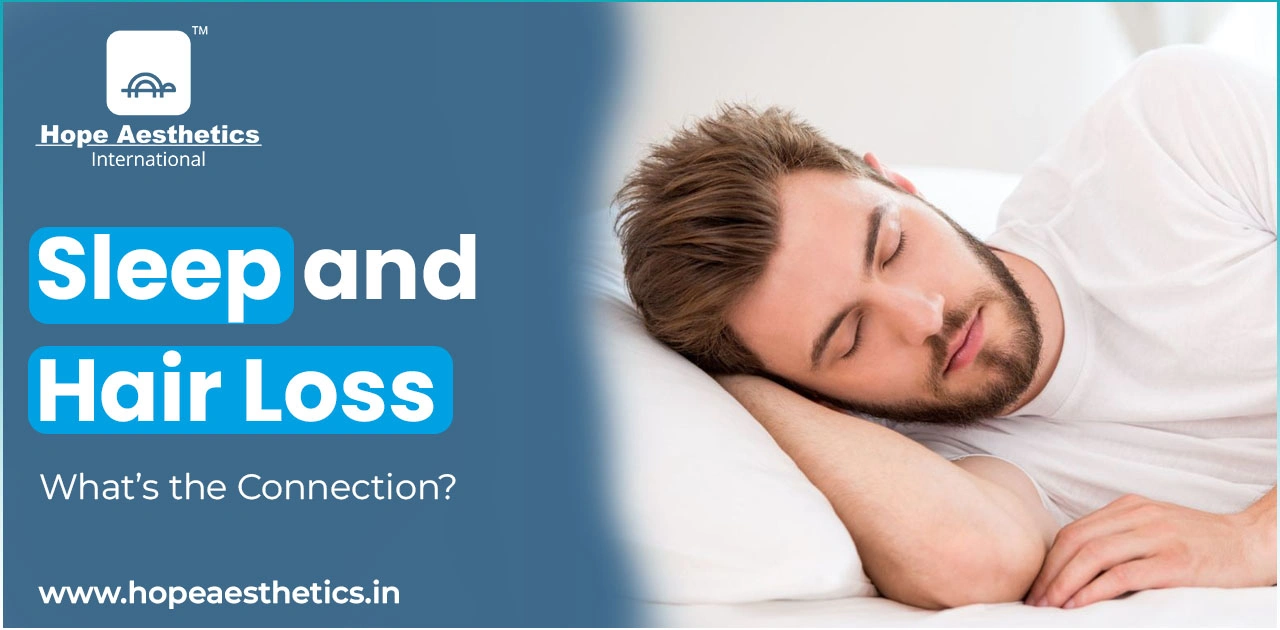
Sleep and Hair Loss: What’s the Connection?
Sleep is not just rest. It is the time when the body repairs, regenerates, and resets its biological systems. Hair follicles, being highly active structures, depend heavily on this recovery phase.
When sleep is consistently poor or irregular, hair growth does not stop immediately. Instead, follicles gradually weaken, leading to thinning, increased shedding, and slower regrowth over time.
Here’s how sleep disruption affects hair – and how the Folligenix™ Protocol helps manage it.
1. Hormonal Imbalance Disrupts Hair Cycle
Sleep regulates key hormones such as:
- melatonin
- cortisol
- growth hormone
When sleep is disrupted, cortisol levels remain elevated and growth hormone release reduces. This imbalance pushes hair follicles into the shedding phase, often leading to Telogen Effluvium.
How Folligenix Helps
Photo-Bio Therapy improves cellular energy and helps stabilize follicular metabolism. By enhancing mitochondrial activity, follicles regain the ability to maintain a healthier growth cycle despite hormonal fluctuations.
Related Read: Why Hair Loss Happens: The Most Common Causes Explained
2. Reduced Cellular Repair and Regeneration
During deep sleep, the body repairs damaged cells and tissues. Hair follicles rely on this repair process to maintain strong growth.
When sleep is poor:
- cell repair slows down
- follicle recovery weakens
- hair becomes thinner over time
How Folligenix Helps
Micro-Needling with GFC / EXOS-GFC activates natural repair pathways in the scalp. It stimulates growth factors that promote tissue regeneration, helping follicles recover even when natural repair cycles are compromised.
3. Poor Blood Circulation and Oxygen Supply
Sleep disruption affects overall circulation and oxygen delivery.
Hair follicles need a steady supply of:
- oxygen
- nutrients
- growth signals
Reduced circulation weakens follicle activity and slows hair production.
How Folligenix Helps
- Photo-Bio Therapy increases nitric oxide release, improving microcirculation
- Exercise recommendations in the protocol help enhance blood flow and oxygen delivery
This improves the environment in which follicles function.
4. Increased Stress and Inflammation
Lack of sleep increases stress levels and inflammatory signals in the body.
This leads to:
- oxidative stress
- inflammation around follicles
- gradual follicle weakening
Chronic inflammation can accelerate conditions like Androgenetic Alopecia.
How Folligenix Helps
The protocol combines:
- regenerative signalling through micro-needling
- improved circulation
- nutritional support
These steps help reduce inflammation and restore a healthier follicular environment.
5. Nutritional Impact of Poor Sleep
Sleep disruption often leads to poor eating habits:
- irregular meals
- increased junk food intake
- reduced protein consumption
This creates nutrient deficiencies that directly affect hair growth.
How Folligenix Helps
Folligenix includes:
- regional diet planning
- micro-nutrition support through seed and nut blends
These provide essential nutrients like protein, zinc, omega-3 fatty acids, and vitamins required for healthy hair production.
Related Read: Nutrition and Hair Loss: How Food Affects Hair Follicles and Hair Restoration Treatments
The Important Reality
Sleep disruption does not cause hair loss overnight. It gradually weakens the biological systems that support hair growth.
Over time, poor sleep combined with stress, poor diet, and lifestyle habits creates an environment where hair follicles cannot function properly.
The Good News
Hair follicles usually weaken slowly before they stop working completely. This means early intervention can help protect and restore hair health.
The Folligenix™ Protocol focuses on improving the entire follicular environment by addressing:
- cellular energy
- blood circulation
- regenerative signalling
- nutritional support
By strengthening these systems, the protocol helps follicles recover from the effects of poor sleep and supports healthier hair growth over time.
Hair growth is not just about what you apply on your scalp. It reflects how well your body is functioning internally – and sleep plays a bigger role than most people realize.
Contact Hope Aesthetics Clinic today to book your consultation.